Yasunari Kawabata and Antique Art
 Lab 鎌倉奥乃院
Yasunari Kawabata as a collector of antique art
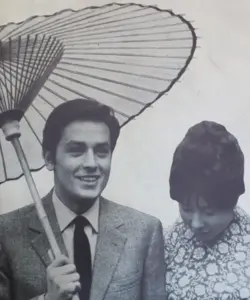
Yasunari Kawabata, who won the Nobel Prize in Literature, was also famous as a collector of antique art.
The Kawabata Foundation, located in Hase, houses a collection of artworks, including several designated as national treasures. These include Ike no Taiga's "Juben-zu" and Yosa Buson's "Jugi-zu."
In his short story "Soribashi," Kawabata vividly reveals his passion for collecting antiques. Within the story lies this striking passage:
"When I look at works of art, especially antiques, it is only then that I feel connected to life."
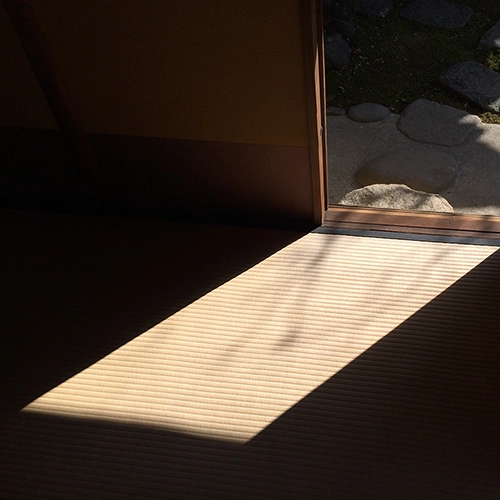
"Thousand Cranes" is a masterpiece inspired by antique tea bowls used in tea ceremonies. The eerie charm of the Shino tea bowl sends shivers down my spine. In any case, after reading this novel, I began repeatedly visiting the tea room at Engakuji Temple, which is pictured in the photograph.
Buddhist statues in Kamakura
Kamakura is home to numerous Buddhist statues, including the Great Buddha at Kotokuin Temple, which is designated as a national treasure.
Yasunari Kawabata lived in Hase, Kamakura; previously, he lived in Nikaido, also in Kamakura. Kakuonji Temple is nearby.
Kakuonji Temple is probably the temple that best conveys the image of Kamakura in the past, and it also has many Buddhist statues. One of these is the Saya Amida Buddha statue, which is open to tourists, but Yasunari Kawabata was also fond of it and would often stand in front of it while on his walks.
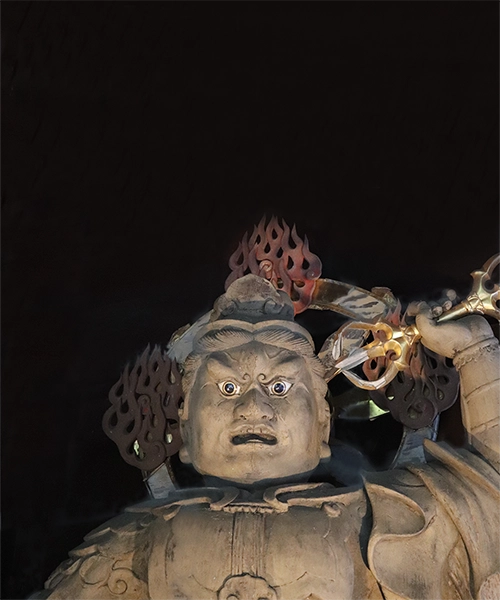
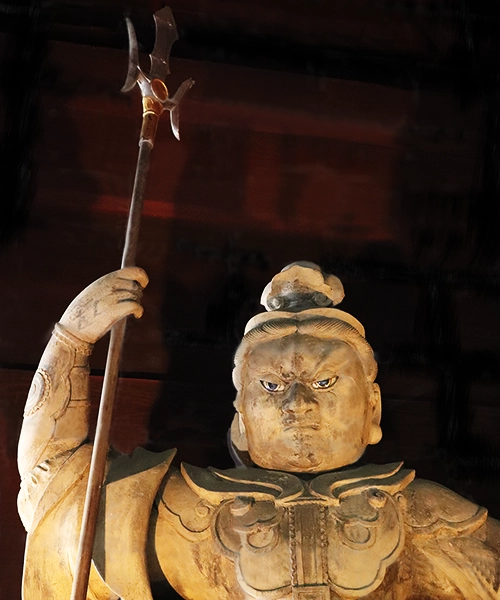
The two statues in the image above are my favorites and I often visit them. They are located at the Nitenmon Gate of Myohonji Temple.
Myohonji Temple is the site of the tragic history of the Hiki clan, and despite being such a large temple, there is no admission fee. Since admission is free, I often come here in search of tranquility.
These two Buddha statues are essential to achieving the tranquility I seek.
A Guide to Easy-to-Read Books on Kamakura
The books below, produced by Lab Deep in Kamakura, provides an accessible introduction to Kamakura from a variety of perspectives.
“The Key to Kamakura” Author:Hisashi Toda
Kamakura is like a green box. Open its lid with the key and explore what's inside! You'll find many stories inside.
This book is an introductory guide to Kamakura. Nevertheless, it reveals Kamakura's multifaceted, mosaic-like nature.
It is an in-depth sightseeing guidebook, and we have included as many photos as possible, making them easy to view.
Table of Contents:
1. Middle Ages
2. Boundary Points
3. Yoritomo (源頼朝)
4. Sanetomo (源実朝)
5. The Great Buddha (大仏)
6. Author
7. Abutsuni (阿仏尼)
8. Yasujirō Ozu (小津 安二郎)
9. Actress
10. Sea
11. Enoshima (江の島)
12. Gardens
If you are considering a purchase, please click the button below.
“KAMAKURA” Author:Yone Noguchi
This is a guidebook to Kamakura by Yone Noguchi(野口米次郎), one of Japan's greatest heroes. However, unlike ordinary guidebooks, it reveals the true face of Kamakura: a city of silence, history, and Buddhism.
Table of Contents:
BY THE ENGAKUJI TEMPLE
THE TEMPLE OF SILENCE
A LEGEND OF THE BUDDHA'S TOOTH
BY A BUDDHA TEMPLE
UNDISCOVERED KAMAKURA
THE WONDER OF BRONZE
BY THE DAIBUTSU AT KAMAKURA
NICHIREN
THE HACHIMAN SHRINE
ENOSHIMA
If you are considering a purchase, please click the button below.
Lab Deep in Kamakura Juei Masuda