
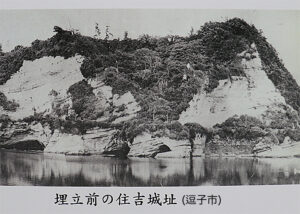
Kamakura and Koga: The Birthplaces of Japan’s Warring States Period
There is a widely accepted theory that Japan’s Warring States period began with the “Kyotoku Rebellion,” which broke out in Kamakura. If this is correct, then Kamakura—or Koga in Ibaraki Prefecture—could be considered the birthplace of the Warring States period. The exploits of Hojo Soun, Japan’s first warlord, may also lend credence to this theory. Furthermore, historical novelist Michiko Nagai has been named an honorary citizen of both Kamakura City and Koga City. For these reasons, the history of the late Muromachi period in the Kanto region remains endlessly fascinating.
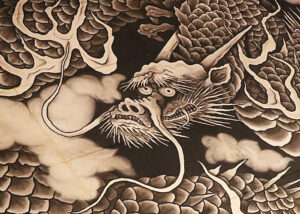
Viewing the Three Great Dragon Paintings of Kamakura
Kita-Kamakura area was once the domain of the Hojo clan, who built influential Zen temples there: Jorakuji, Kenchoji, and Engakuji. All three temples possess dragon ceiling paintings, each created by renowned master painters. These works are generally open for viewing anytime by anyone. We invite you to experience this profound beauty for yourselves.
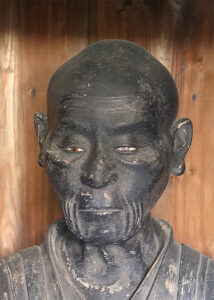
The Moon on Earth, the Unrestrained Poet Saigyo
Saigyo, who fully grasped the essence of freedom, lived a full life, and met his end with dignity, gives us courage. Yonejiro Noguchi, who described Saigyo's solitary and noble way of life as “the moon on earth,” himself a poet, elucidated Saigyo in his book “On Saigyo.” Furthermore, the “Shigitatsuan” in Oiso is a rare spot where we can easily feel Saigyo's presence.

The Sweets Yukio Mishima Loved
These are the madeleines from Nisshindo Kashiten in Shimoda, Izu, which were beloved by Yukio Mishima. In a sense, these sweets encapsulate the true essence of Mishima, stripped of his armor. I believe Yukio Mishima's charm lies in his pure, thoughtful, and approachable personality above all else.
Tora-san's Town and the Town of Movies
"Tora-san" is more than just a movie. To put it dramatically, he has become part of my flesh and blood. So when I heard that Kiyoshi Atsumi, the actor who played Tora-san, had passed away, it was more than just waking from a long dream. I also experienced a physical pain, a stinging sensation as if my chest had been gouged out.
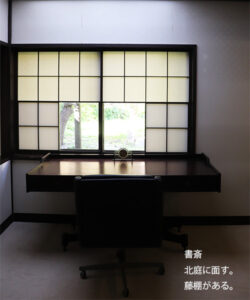
Visiting the Former Residence of Yoshiya Nobuko: A Sukiya-Style Building in Kamakura
I visited the former residence of Yoshiya Nobuko (Yoshiya Nobuko Memorial House) in Kamakura. It is open to the public in the spring and fall. Of all the rooms, I particularly enjoyed viewing the study that faces the north garden. There, a desk and a chair are placed. I naturally recall her famous verse, "秋灯机の上の幾山河," and think of her life devoted to literature. I am encouraged.
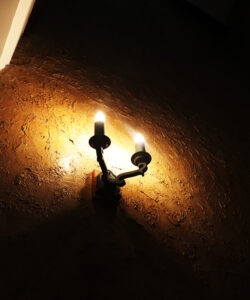
Visiting the Western-style House in Kamakura: The Former Residence of Kachonomiya
I visited the special autumn opening of The Former Residence of Kachonomiya, a Western-style house located in Kamakura. It's a magnificent estate. Being in such a place makes me truly happy. The estate is tucked away deep in the lush green Takumagayatsu Valley.
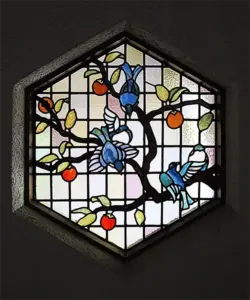
Former Maeda Residence and Kamakura Museum of Literature
Another Western-style building stands at the Kamakura Museum of Literature. It is the former Maeda Residence. However, this tangible cultural property will be dismantled and disappear. Before that happens, I had the opportunity to enter the site and take photographs, so I wish to leave a small record of it here. Along with this, I will also include photographs of the Kamakura Museum of Literature before its renovation work.
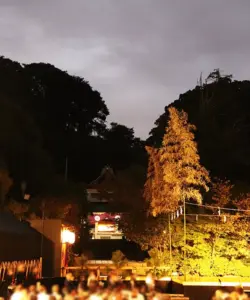
Kamakura Takigi Noh
This is a report on the Kamakura Takigi Noh performance in the fall of 2025. The Noh play performed was “Hagoromo.” It's one of my favorite plays. It centers on the Hagoromo(feather robe), depicting the conflicting roles of the celestial maiden and the fisherman. The celestial maiden's words, sharp as arrows, pierce the fisherman, yet he immediately returns the robe in response to her words. I believe this contains a message of human harmony.
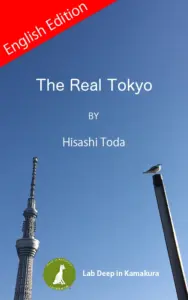
The Real Tokyo : detailed guidebook for Tokyo
This is a detailed guidebook for the international city of Tokyo. The city was built on the foundations of the Tokugawa clan's long history during the Edo period. There is more to Tokyo than just Shibuya and Shinjuku.