
7 Japanese Summer Fish I Ate in the Summer of 2026!
 Lab 鎌倉奥乃院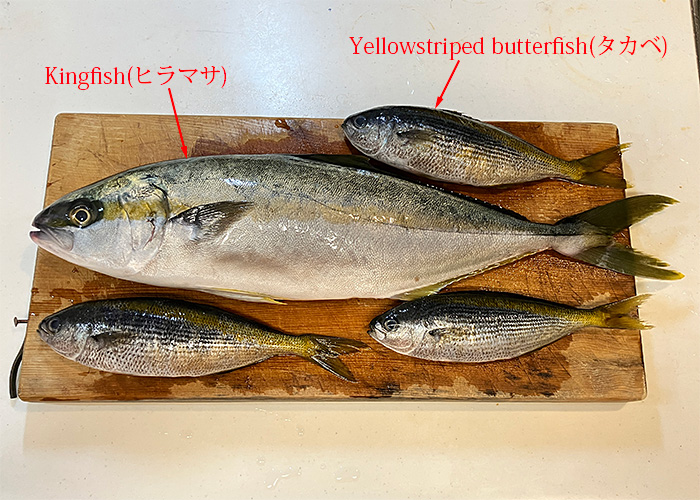
I enjoyed a variety of fish this summer as well, and I’ve selected seven that left a particularly strong impression on me.
All of them are considered delicious in the summer, and each pairs exceptionally well with sake.
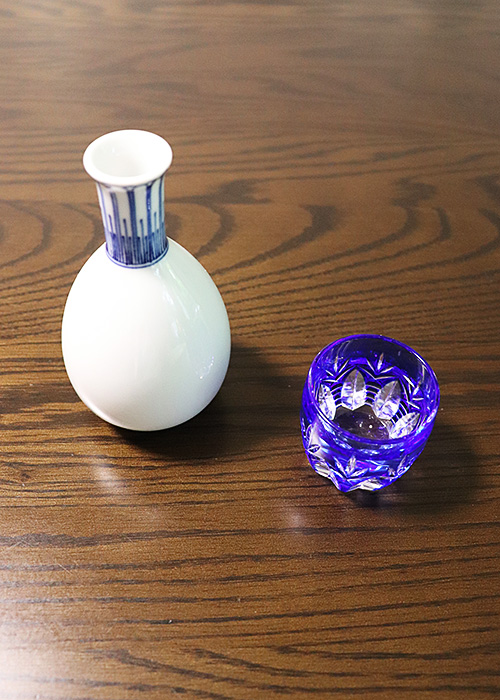
Rainy Season Grunt(梅雨イサキ)
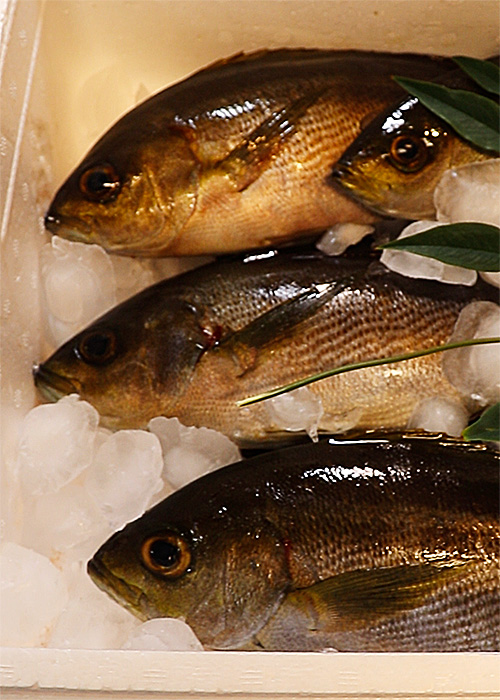
The grunt in the photo was caught in the Sea of Japan. It is a “rainy season Grunt,” caught during the rainy season, and is considered the most flavorful because it is at its fattest.
The grunt in the photo were caught while fishing. According to the angler who caught them, the float kept sinking rapidly early in the morning, and they were biting like crazy.
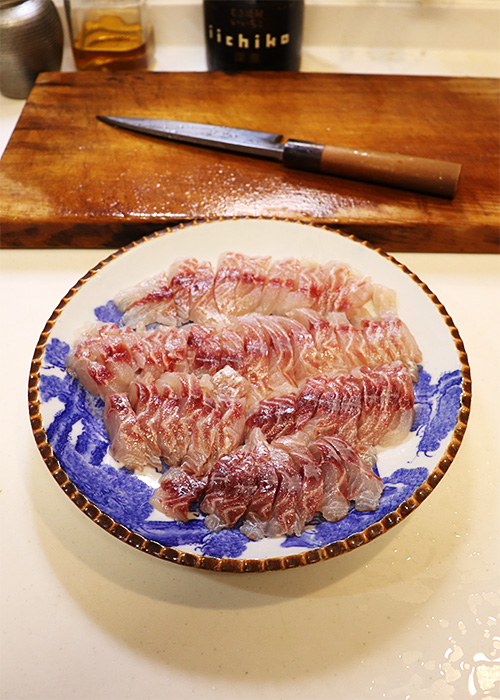
I was told that since it’s so fatty, it’s best enjoyed as seared sashimi, but since I didn’t have a blowtorch, I just ate it as regular sashimi―and it was absolutely delicious.
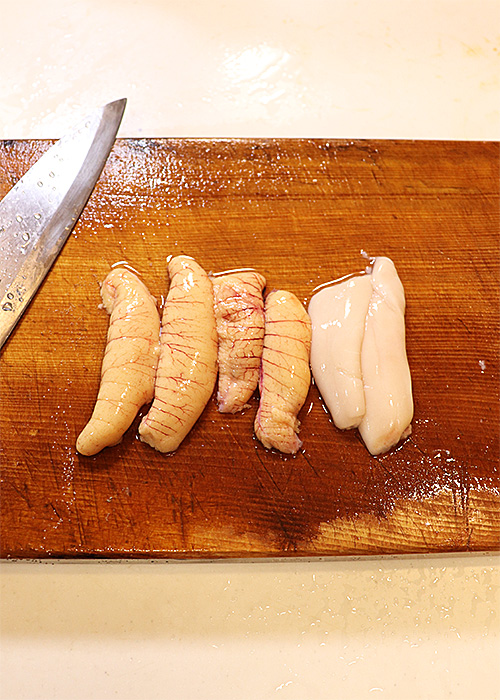
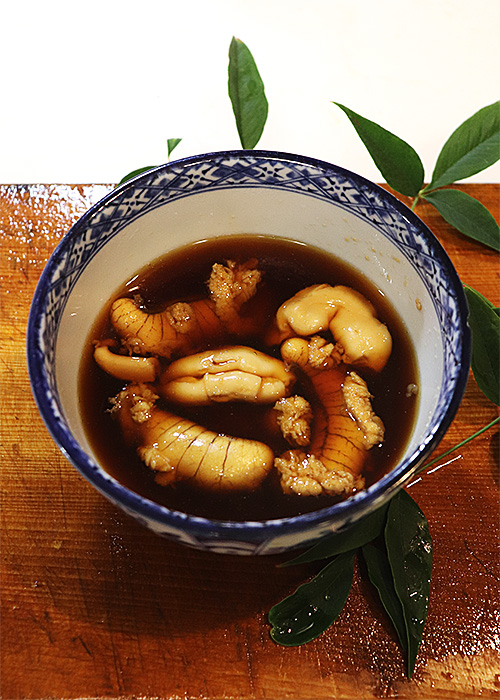
When we cut open the fish, we found eggs inside the female and milt inside the male; as shown in the photo, we simmered them and ate them. They had a unique, delicacy-like flavor and made for a nice palate cleanser.
Kingfish(ヒラマサ)
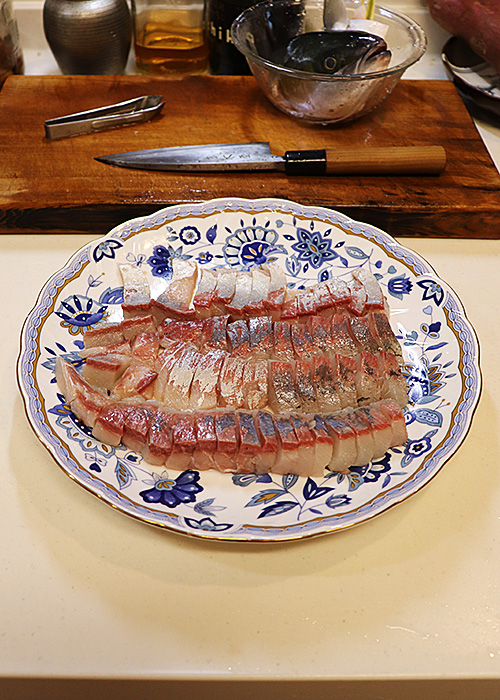
The “Sprinting Kingfish” of the Reef. The kingfish resembles the yellowtail in appearance, but it is firmer and slimmer than the yellowtail, and―unlike the yellowtail’s “winter yellowtail”―it is at its best from summer through fall.
Not only is it delicious as sashimi, but it’s also delicious grilled with salt or teriyaki―no matter how you prepare it.
The kingfish in the photo was purchased at “Kamaman Store” in Kamakura.
Yellowstriped butterfish(タカベ)
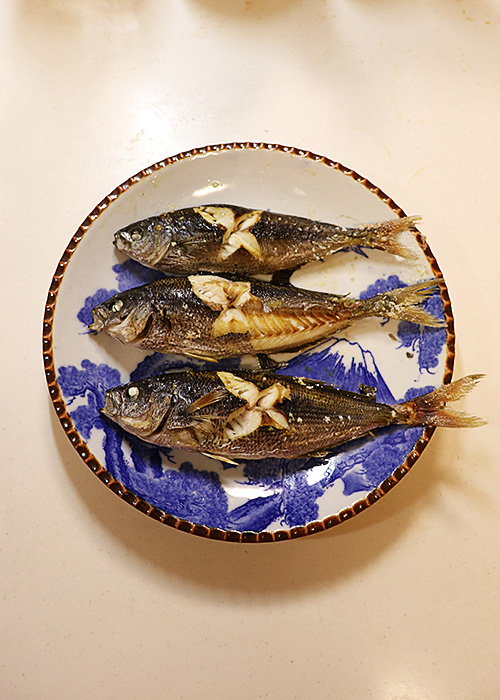
The yellowstriped butterfish shown in the photo is something I bought along with the kingfish at “Kamaman Store.”
Although this fish is delicious as sashimi, I ended up grilling it with salt―drawn, as always, by its rich, succulent fat.
I wish fish like yellowstriped butterfish were available at regular supermarkets, but―not just yellowstriped butterfish―I’m always disappointed by how limited the selection is in the fish section at most supermarkets.
Flathead(コチ)
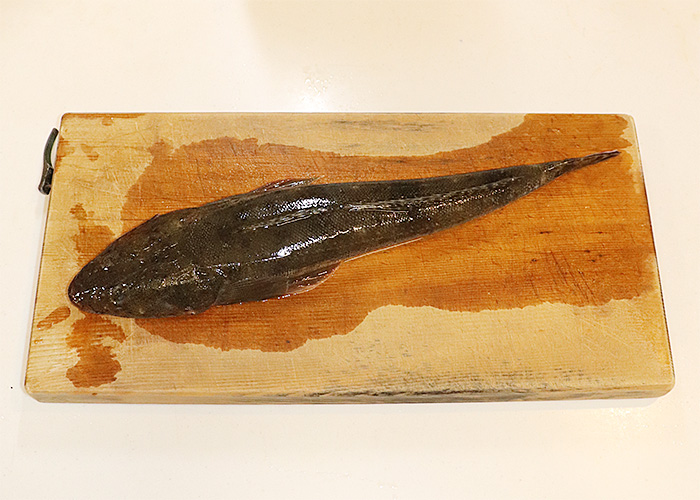
As the name “Terigochi(照りゴチ)” suggests, this fish tastes best during the blazing heat of midsummer.
Although it has a unique appearance that’s a bit grotesque, it’s a very delicious fish.
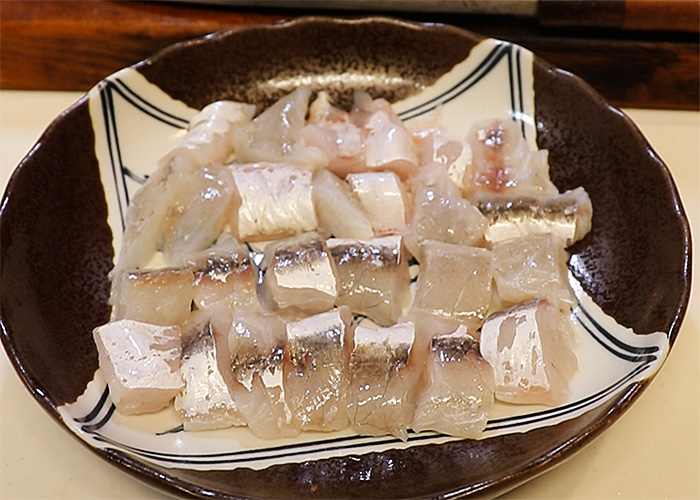
I believe it is one of the representative fish of the Edo region, and since the flathead prefers the sandy bottoms of inner bays, it stands to reason that Edo Bay once offered ideal conditions for this species. It is one of those fish that inevitably makes me think about environmental issues.
The fish in the photo was, as I suspected, bought at “Kamaman Store” in Kamakura.
Amberjack(カンパチ)
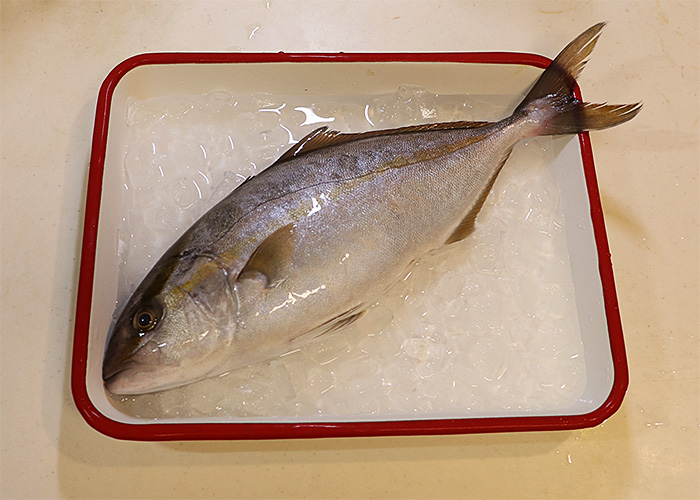
Amberjack can grow to be as long as 2 meters. The amberjack in the photo is much younger than that, and the “figure-eight” pattern on its head―which is the origin of its name―is still visible.
Amberjack is a fish found in warm currents, and I used to visit Hachijojima Island often; there, it was a very familiar fish to me.
The most common method for catching amberjack on Hachijojima Island is “live bait fishing,” which involves first catching small fish, such as muroaji, and then hooking them through the back and letting them swim as bait. It’s a bit of a cruel way to fish―the muroaji used as live bait looks a little confused, like “???”―but I’ve tried it myself. But I’ve never actually caught one. When I retrieved the bait a little while after letting it swim, I found that about half of the muroaji’s body had been torn off by something, making it a truly pitiful fishing experience―a completely pointless death for the fish.
It goes without saying that the sashimi is absolutely delicious.
The amberjack in the photo was also purchased at “Kamaman Store” in Kamakura.
Red grouper(アカハタ)
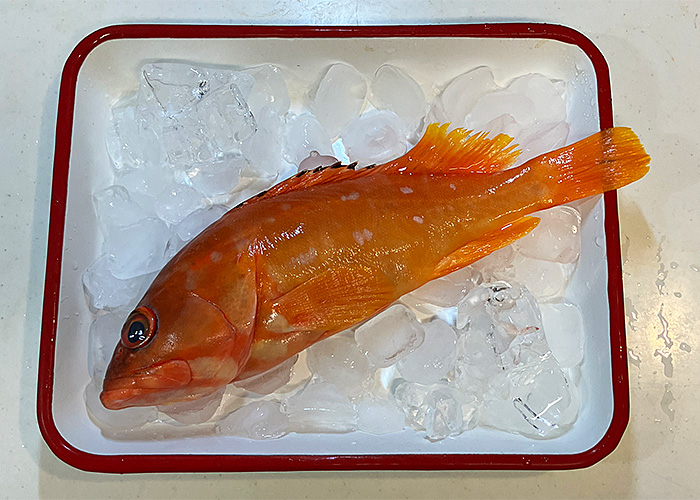
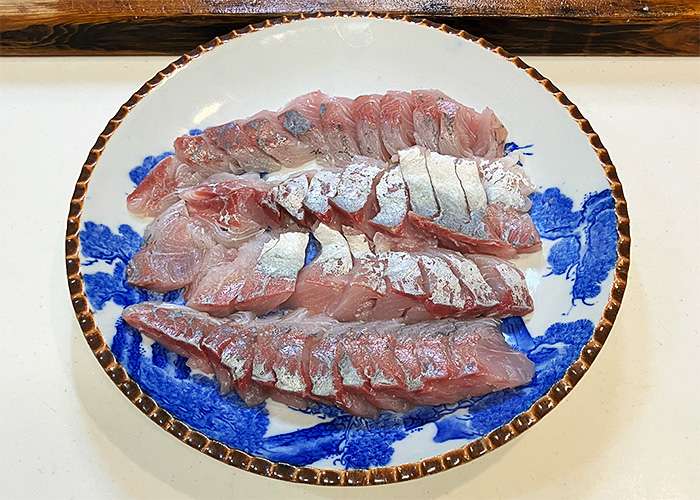
This fish has beautiful coloring. It’s a fish native to the southern regions, and it’s interesting how―whether it’s fish, people, or just about anything else―the further south you go, the more cheerful and colorful everything becomes.
The red grouper in the photo was caught in the Izu Islands, and, as expected, I bought it at “Kamaman Store” in Kamakura.
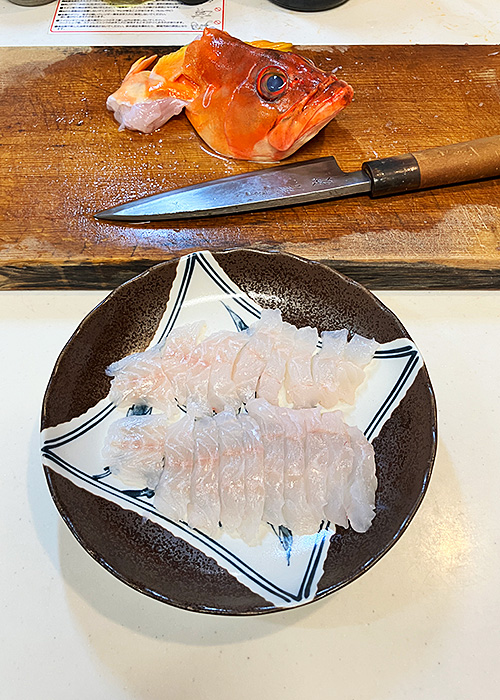
The grouper family includes a wide variety of groupers, and while groupers are generally considered a delicious fish, this red grouper seems to be regarded as one of the least tasty among them. ...But far from it―as you can see in the photo, I ate it as sashimi, and it had a nice bite to it and was quite delicious.
Falling sweetfish(落ち鮎)
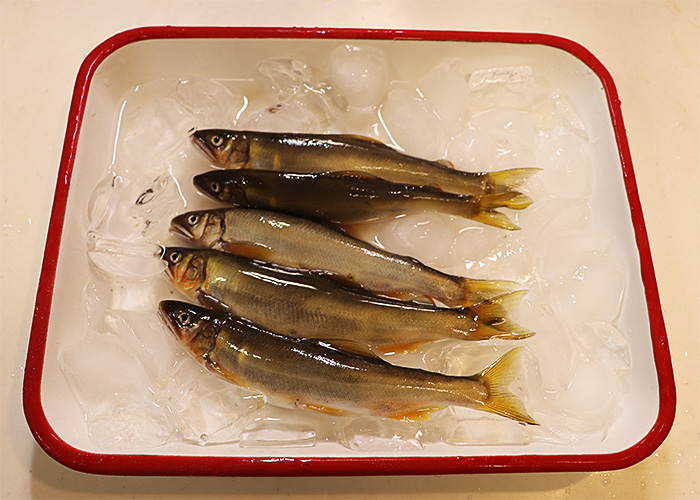
The sweetfish in the photo was a gift.
“Falling sweetfish” are also called “rust-colored sweetfish,” apparently because their bodies take on a rust-like color; the term “rust-colored sweetfish” is also considered a seasonal word for autumn. So, while the falling sweetfish are technically an autumn fish, since I received them toward the end of August, I’ve decided to include them here.
Sweetfish are also known as “fragrant fish,” and true to their name, they have a wonderfully fragrant aroma. It’s a refreshing scent that lingers in your nostrils for a long time.
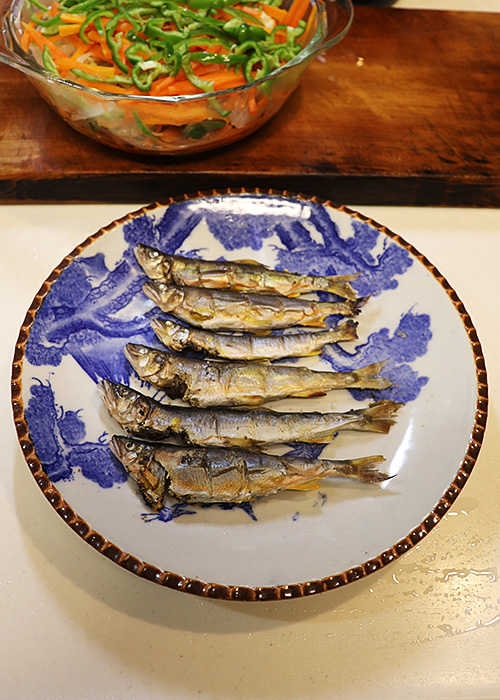
As you can see in the photo, I grilled it with salt and ate it. I ate the whole thing, including the innards, but―I wonder―perhaps because it’s a fish that feeds on the moss growing on rocks―its flavor was just as refreshing as its aroma.
Lab Deep in Kamakura Juei Masuda
