Tora-san's Town and the Town of Movies
 Lab 鎌倉奥乃院
Shibamata, the Town of Tora-san
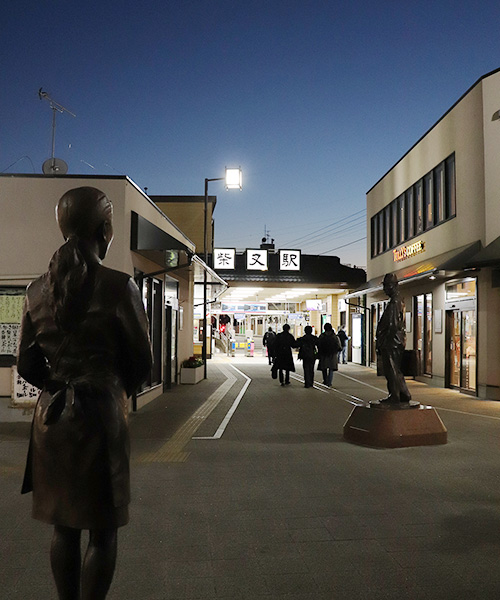
The hometown of Chieko Baisho(倍賞千恵子), who plays Sakura, the sister of Tora-san in the movie “It's Tough Being a Man(男はつらいよ),” was the same town where I was born and raised. So, ever since I was old enough to remember, I often watched “Tora-san.” And actually, my parents took me to Shibamata when I was little. I still remember that time very well.
On the banks of the Edogawa River, the larks were singing incessantly.
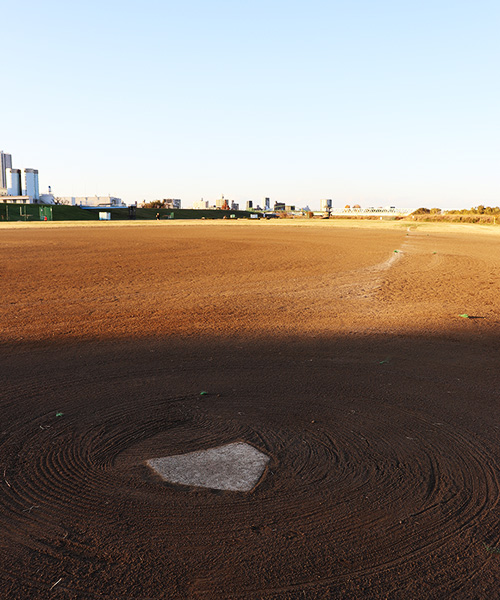
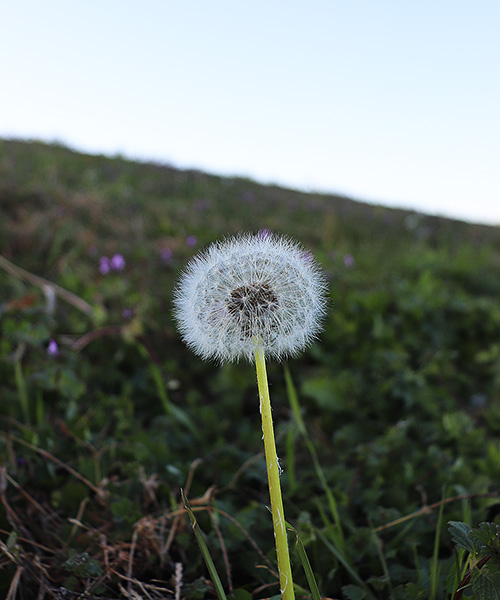
Shibamata is located on the outskirts of Tokyo. The somewhat seedy atmosphere lingers here, and I find it quite comfortable. This atmosphere also seems to gently envelop the entire world of the "Tora-san" films.
I think Shibamata is similar to Asakusa in that it's a temple town and a riverside town, but you could say Shibamata is a town that takes the atmosphere of Tokyo's suburbs even further. I'll say it again: that's what makes it great.
Like Asakusa, Shibamata also boasts renowned eel restaurants. Similarly, it has more than just one dango shop. Though a much smaller town compared to Asakusa, Shibamata is charmingly packed with delicious treats, much like that cozy little living room in the movie “Tora-san.”
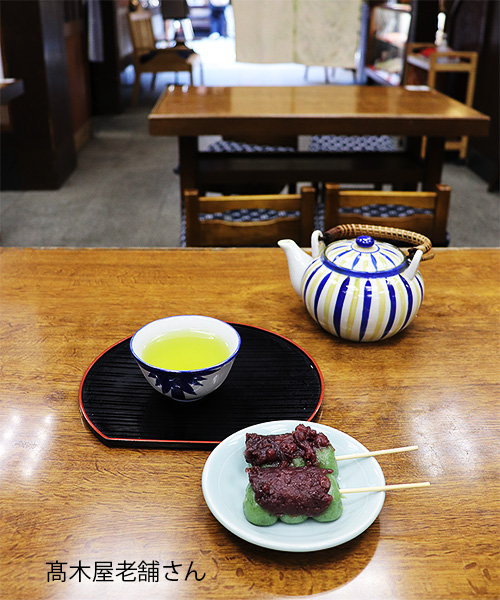
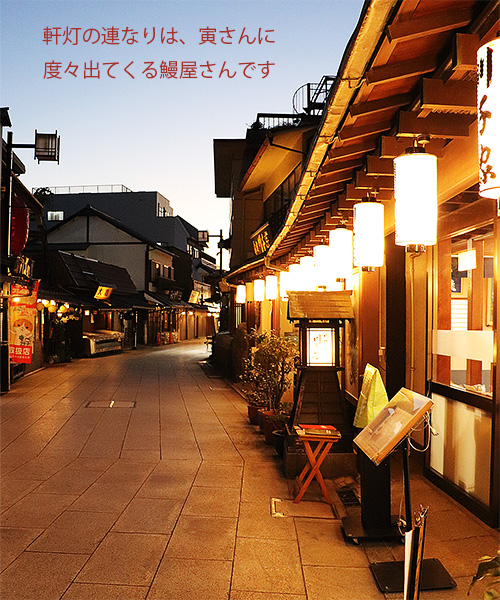
The eccentric character Tora-san could only have been born in Shibamata, a town on the outskirts of Tokyo. He certainly didn't emerge from the Toraya in Akasaka.
That man, Torajiro, I personally consider to be a figure born into a lineage of societal outsiders, following in the footsteps of Ariwara no Narihira, Saigyo Hoshi, Sogi, Matsuo Basho, and others.
That's why it's interesting, and I think it cheers us up.
Tora-san's wristwatch
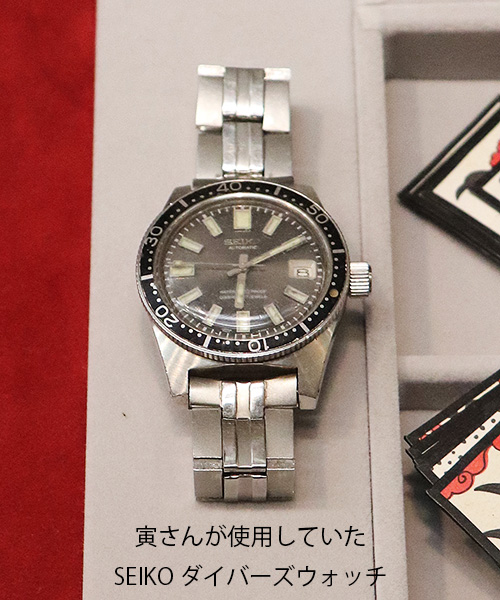
The photo above shows the Seiko Diver's Watch used by Tora-san. It is on display at the "Tora-san Memorial Hall" in Shibamata. Although it is famous as Tora-san's beloved wristwatch, he didn't actually wear only this watch in the movies.
For example, the 29th film, “Hearts and Flowers for Tora-san,”(寅次郎あじさいの恋) set in Kamakura.
I consider it one of the finest masterpieces among all 50 films, but the wristwatch Torasan wore at that time appeared to be the same SEIKO model, and while it also had a dark brown dial, it was not the diver's watch shown above.
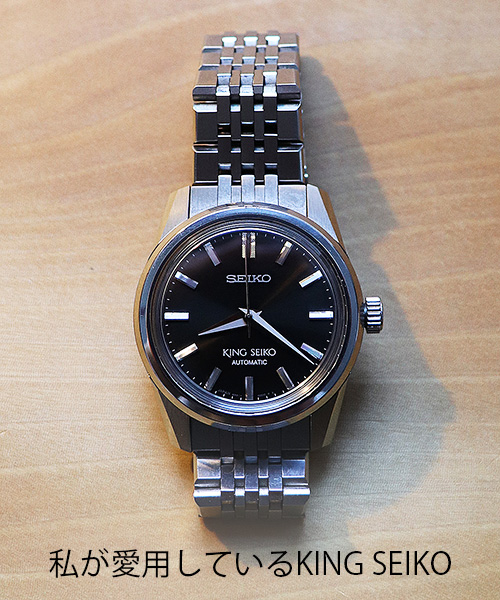
I've always worn SEIKO watches, and that's definitely because of Tora-san's influence.
The photo above shows the "KING SEIKO" watch that I currently use. I chose it deliberately to resemble the wristwatch worn by Tora-san in the film “Hearts and Flowers for Tora-san.”
The Movie Town, Ofuna
Once upon a time, in Ofuna, Kamakura, there stood the “Dream Factory,” known as the Shochiku Ofuna Studio. Numerous masterpieces were created here, including the works of director Yasujiro Ozu. And it was at this very studio that the “Tora-san” films were made.
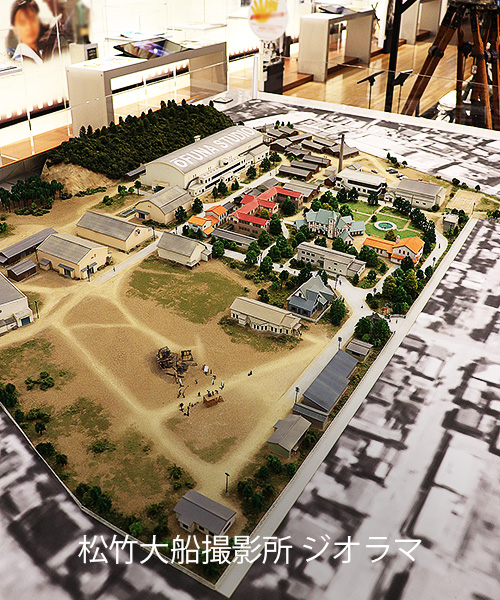
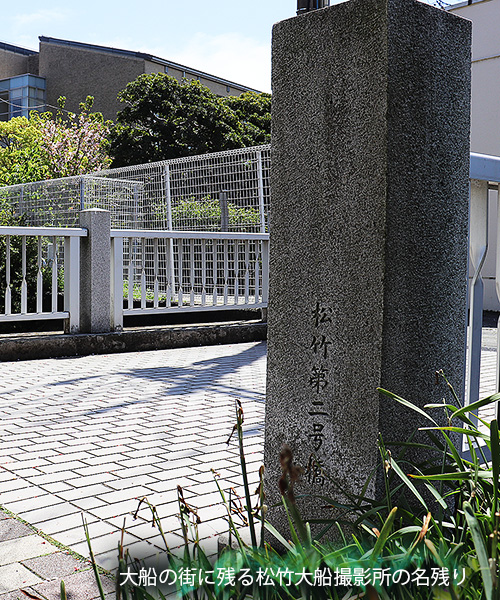
I've heard that in Ofuna, there were restaurants favored by Kiyoshi Atsumi, who played Tora-san. But it wasn't just Atsumi; film directors and studio staff alike each had their regular haunts among the eateries surrounding the studio. These establishments served a role far beyond simply providing meals for them.In a sense, the restaurants themselves participated in the filmmaking process.
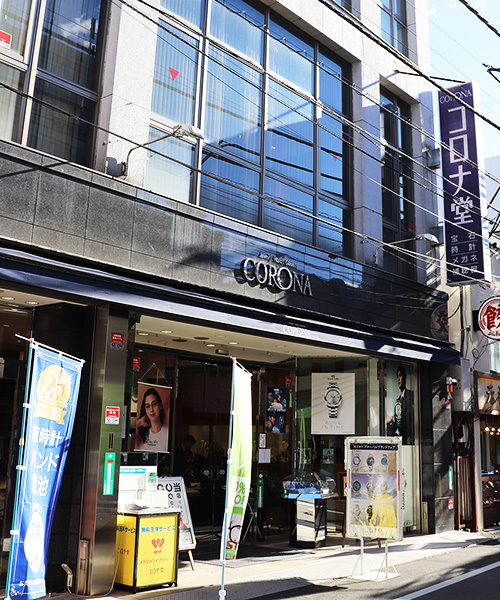
The photo above shows Corona-do, a long-established store in Ofuna. While the store sells jewelry, watches, and eyeglasses, it also had a deep connection to the Shochiku Ofuna Studio in the past. I heard that they made the eyeglasses worn by the actors, including the gold ring that Tora-san wore in the movies, which was made right here at Corona-do.
"Tora-san" is more than just a movie. To put it dramatically, he has become part of my flesh and blood. So when I heard that Kiyoshi Atsumi, the actor who played Tora-san, had passed away, it was more than just waking from a long dream. I also experienced a physical pain, a stinging sensation as if my chest had been gouged out.
The Real Tokyo : detailed guidebook for Tokyo
I grew up in Tokyo, where the Toden Arakawa Line — also known as the "Chin Chin Tram" — ran nearby. I now live in Kamakura, which also has a streetcar, the Enoshima Electric Railway.
The sound of a streetcar running is a special sound to me, and it brings back a certain nostalgia in my heart.
I often rode the streetcar with my mother to Arakawa Amusement Park. The park is still there today and is located on the banks of the Sumida River. The Otonashi River (also known as the Shakujii River) is a tributary of the Sumida River. Both the elementary and junior high schools I attended were located on its banks.
There was also a small hill called Asukayama nearby. Whenever we went to view the cherry blossoms, we always went to Asukayama. This was back when there was still an observation deck that revolved. It was the highest in the area at the time, so I looked forward to climbing up there.
I later learned that Asukayama was a popular tourist destination for the common people of Edo. Indeed, at the foot of the mountain were the clear waters of the Otonashi River, home to sweetfish. Rows of restaurants and tea shops lined the river, creating a landscape befitting a tourist destination. Furthermore, there was an Inari shrine and a famous waterfall, which made it even more appealing.
There were apparently seven of these famous waterfalls at the time. Today, only one remains: Nanushi Falls. I often splashed around in the water here during the summers of my childhood. However, I remember that the waterfall was rather small back then, far from the image of a famous waterfall.
The Inari Shrine is today's Oji Inari Shrine, and I remember seeing many stone statues of foxes there. There was also a fox den in the cliff that I looked at in amazement.
Later, when I came across Utagawa Hiroshige's "One Hundred Famous Views of Edo," I was overjoyed to discover that it included Asukayama, Oji Inari Shrine, and the fox, as well as several paintings of Oji Falls. At the same time, it was an eye-opener to realize how beautiful Tokyo was during the Edo period.
"One Hundred Famous Views of Edo" contains many waterfront scenes, which is no surprise, as Edo was a "city of water."
It made me realize that heaven or paradise is not somewhere far away, but that it was once right under my feet.
At Lab Deep in Kamakura, we have produced a detailed guidebook to Tokyo, looking at present-day Tokyo while also admiring the Edo-Tokyo of the past. We have titled it "The Real Tokyo." Please check it out below.
The Real Tokyo : detailed guidebook for Tokyo Autho: Hisashi Toda
The following is an excerpt from the introduction to the book:
Tokyo, the capital and international city, was built on the solid foundation of the Edo period under the Tokugawa clan. Tokyo is more than just Shibuya, Shinjuku, and Roppongi.
This book will reveal Tokyo's true face.
We have included as many photos as possible so that you can also use it as a guidebook.
Table of Contents:
1 City of Water
2 Fish
3 Ieyasu Tokugawa
4 Imperial Palace
5 Gardens
6 Shibamata
7 Ueno
8 Asakusa
9 Nippori
10 Oji
11 Itabashi
12 Hachijojima Island
13 Musashino
If you are considering purchasing, please press the button below.
Lab Deep in Kamakura Juei Masuda