A Walk Through Shibamata, Tokyo—The Town of Tora-san (from the “It’s Tough Being a Man” film series)
 Lab 鎌倉奥乃院
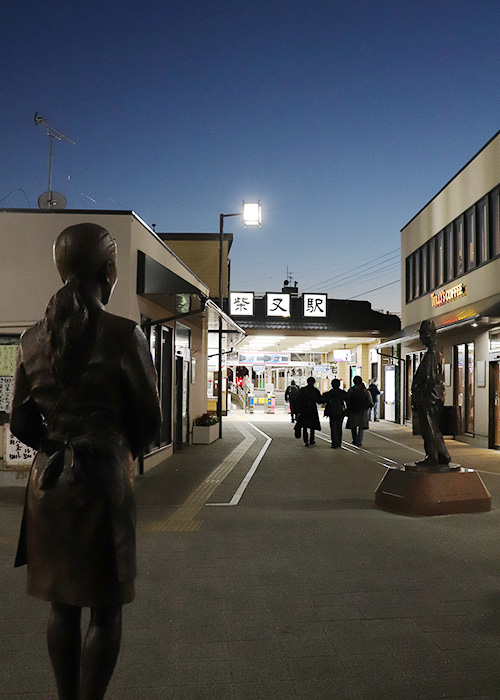
Shibamata Station
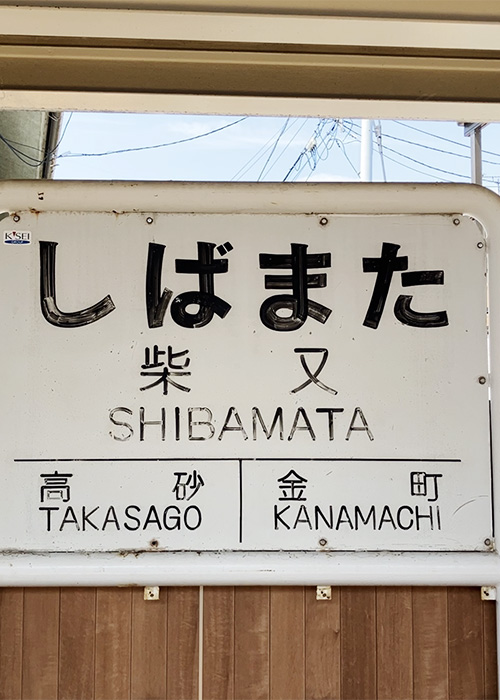
Shibamata Station is a station on the Keisei Electric Railway’s Kanamachi Line. The station building is in a traditional Japanese style. When you step onto the platform, you’ll feel a nostalgic atmosphere unlike that of any other station in Tokyo.
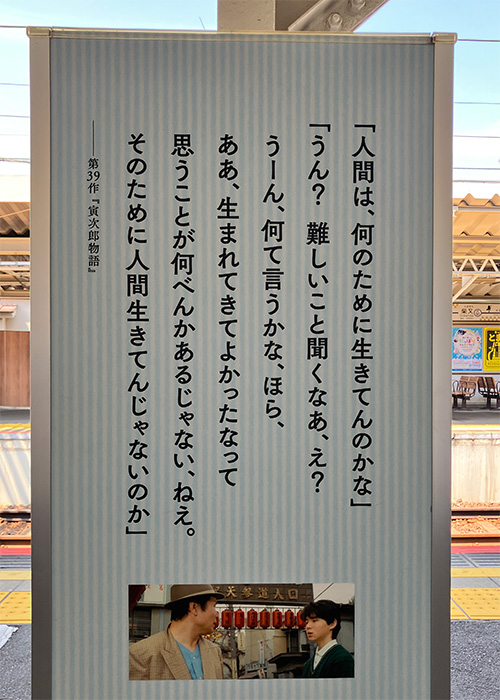
Translated into English: “What is the purpose of human life?”
“That’s a tough question. Hmm, how should I put it? You know, there are times when you think, ‘I’m glad I was born,’ right? Isn’t that why we live?”
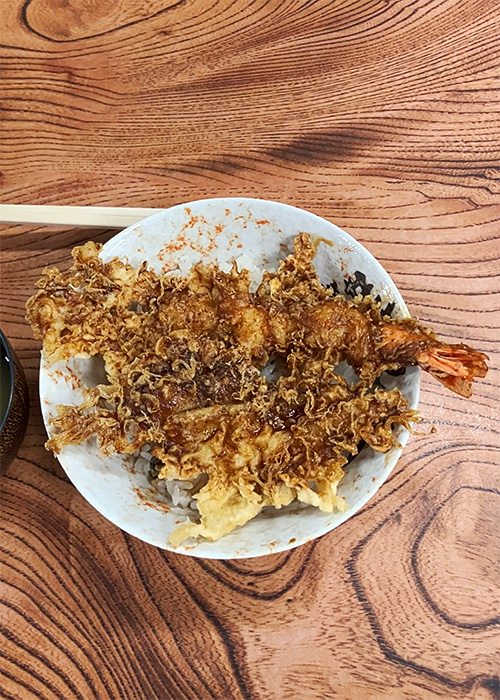
Katsu Don and Tempura Don on the Approach to Taishakuten Temple
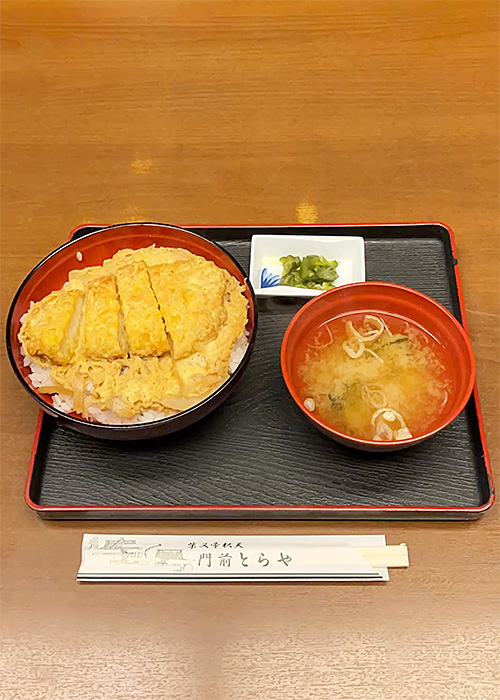
Let's grab a bite to eat right away. The shopping street leading up to Taishakuten Temple is packed with delicious food options.
“Yamamoto-tei,” Ranked No. 3 Among Japan's Gardens
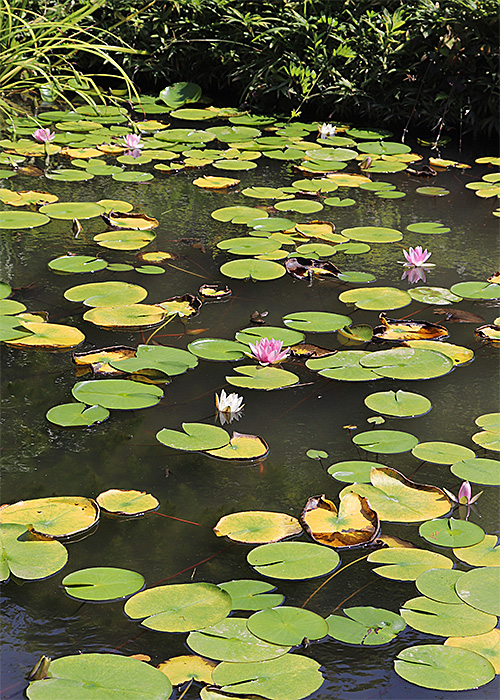
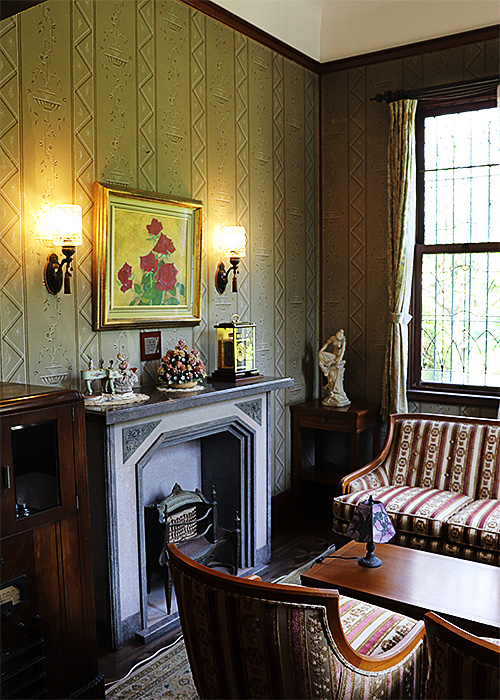
Yamamoto-tei is an old mansion built in a blend of Japanese and Western architectural styles during the late Taisho and early Showa periods. It really reflects the era—it even has an underground air-raid shelter.
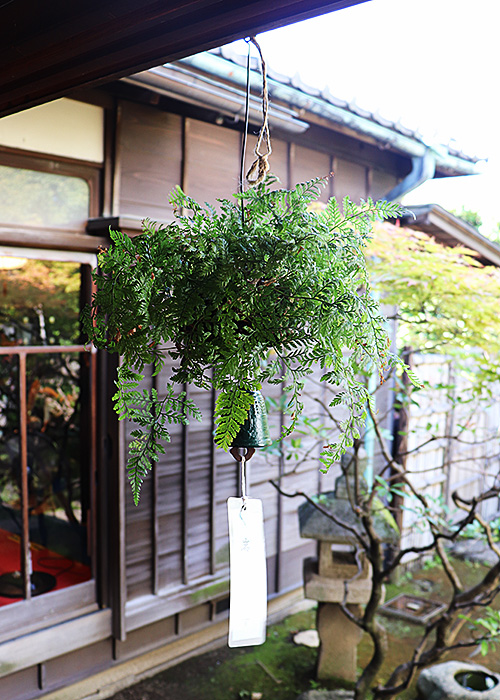
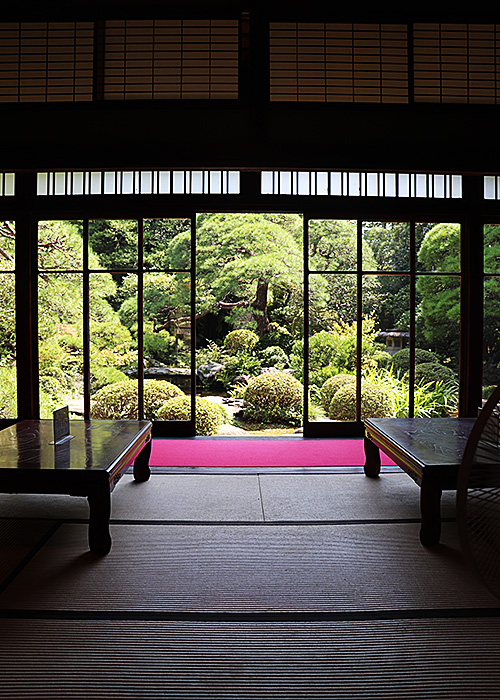
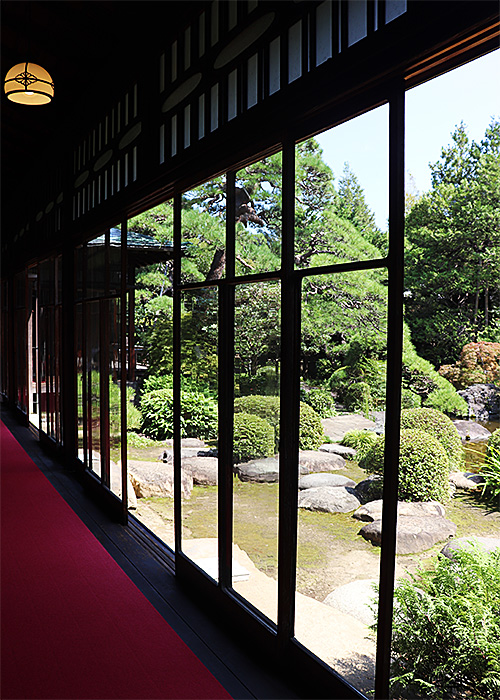
Yamamoto-tei was ranked third in the 2024 Japanese Garden Rankings published by “Sukiya Living : The Journal of Japanese Gardening,” a U.S. magazine specializing in Japanese gardens!
By the way, first place went, as always, to the Adachi Museum of Art in Shimane Prefecture, and second place went to Katsura Rikyu in Kyoto.
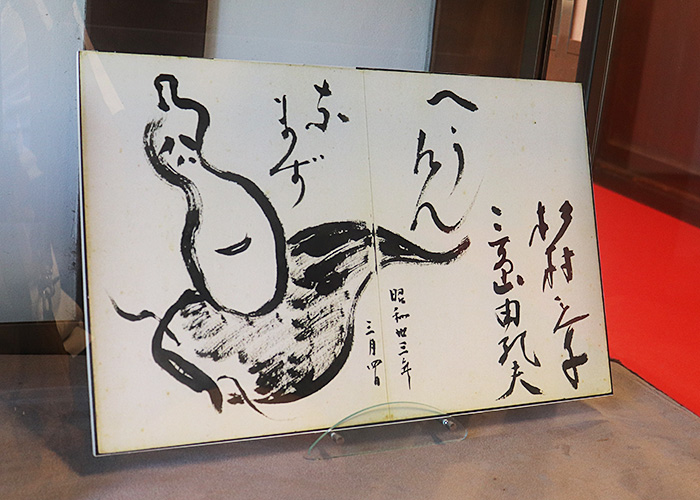
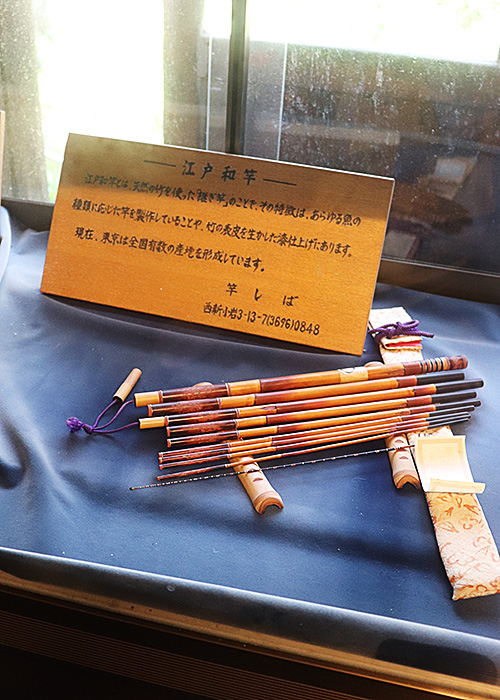
I hope the legendary restaurant “Kawajin” makes a comeback!
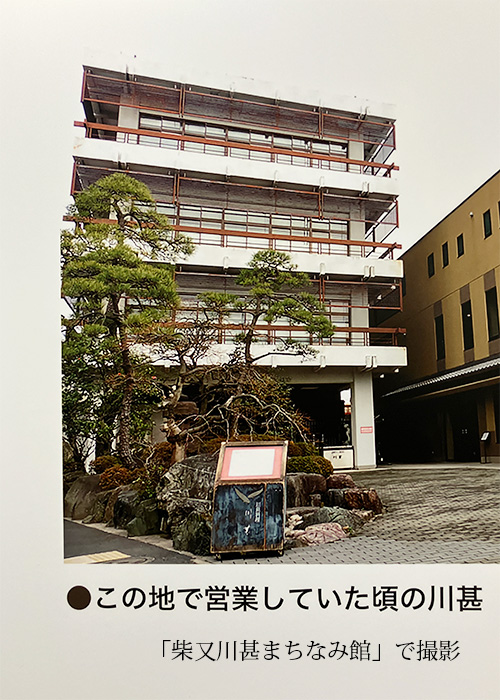
Kawajin was founded during the Edo period. It closed in 2021 due to the COVID-19 pandemic. It’s so sad!
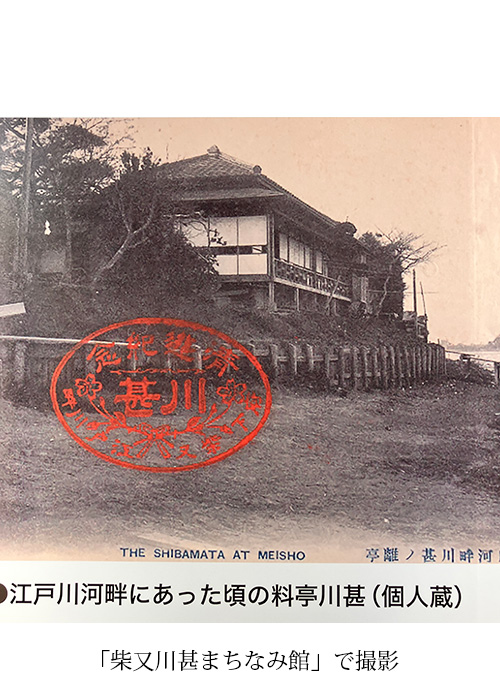
This renowned restaurant has been featured in numerous literary works and also appears in the movie “It’s Tough Being a Man”
I'd love to eat the eel here again!
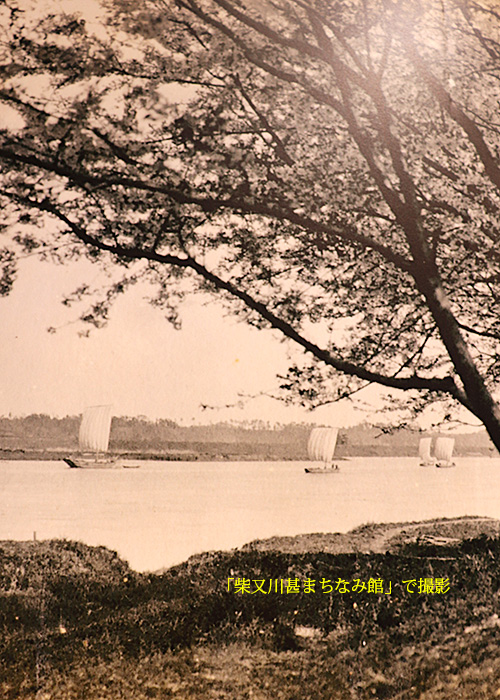
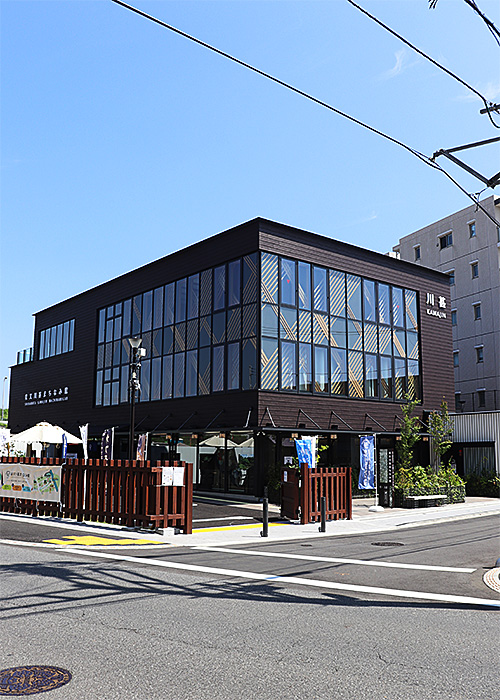
The “Shibamata Kawajin Machinami Museum” now stands on the site where Kawajin used to be. Kawajin, known for its river fish dishes, has been reborn as a new tourist attraction in Shibamata.
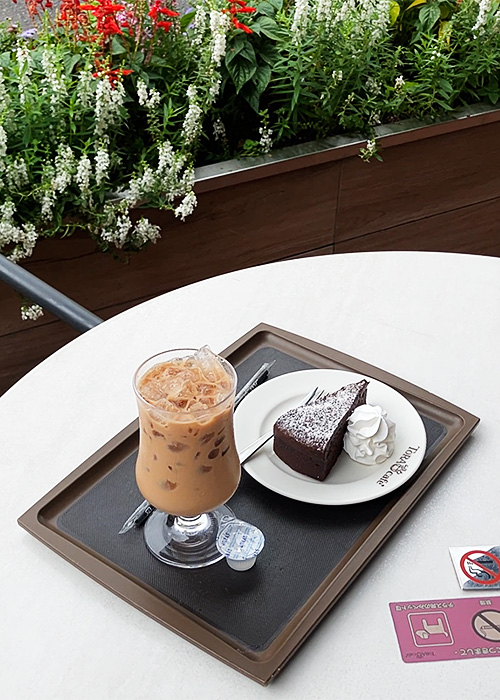
Snacks at TORAsan Cafe
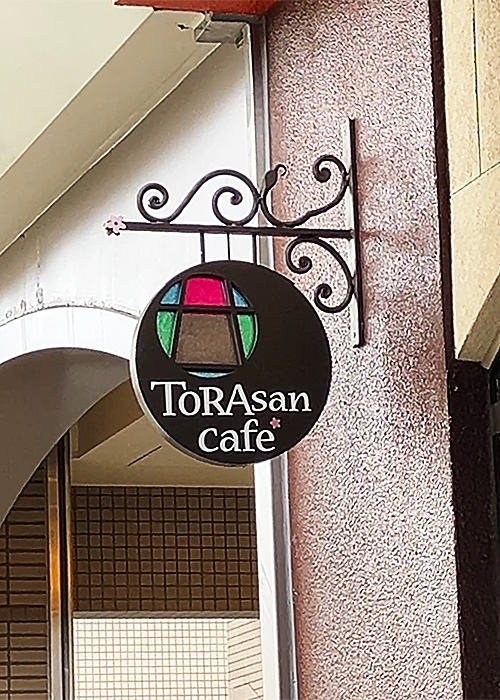
TORAsan Cafe is located at the “Tora-san Memorial Museum.”
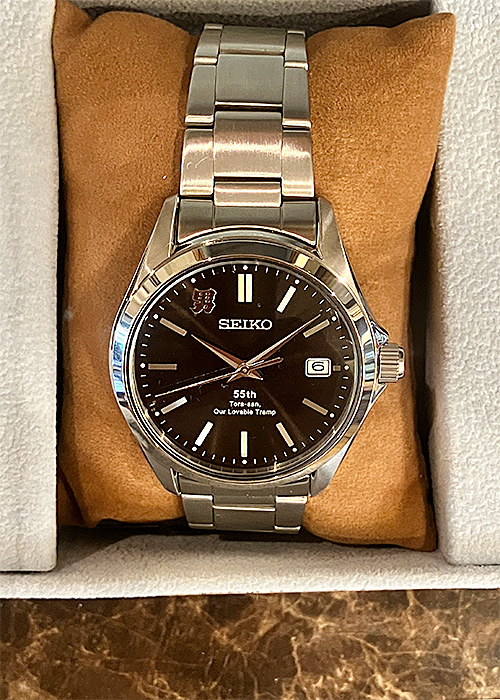
In the movie, Tora-san wears a dark brown SEIKO wristwatch.
The character for “man” at the 11 o’clock position really stands out. It’s available for purchase at TORAsan Cafe.
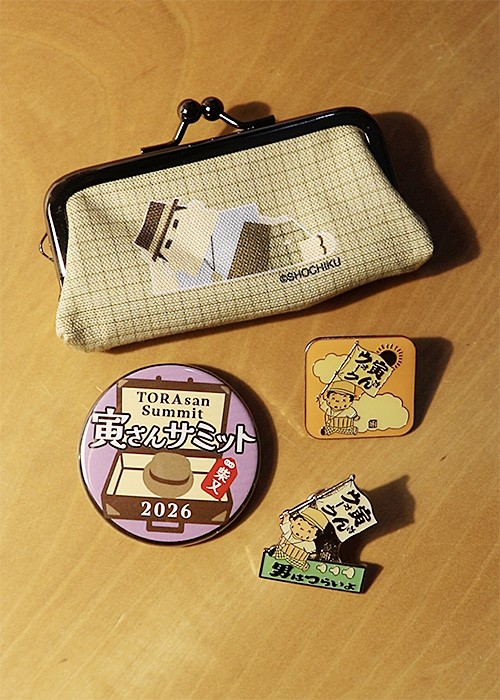
I went to the “Tora-san Summit 2026”!
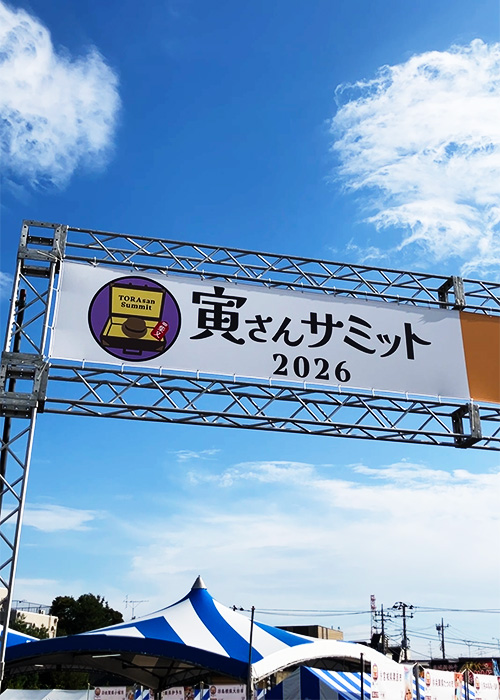
The “Tora-san Summit” is held every fall.
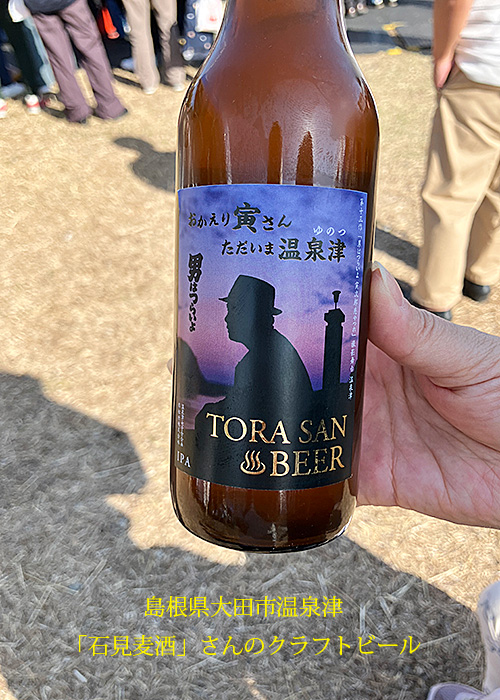
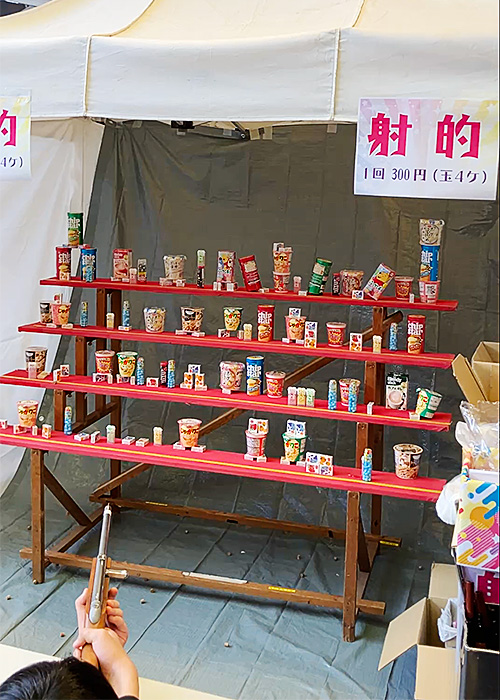
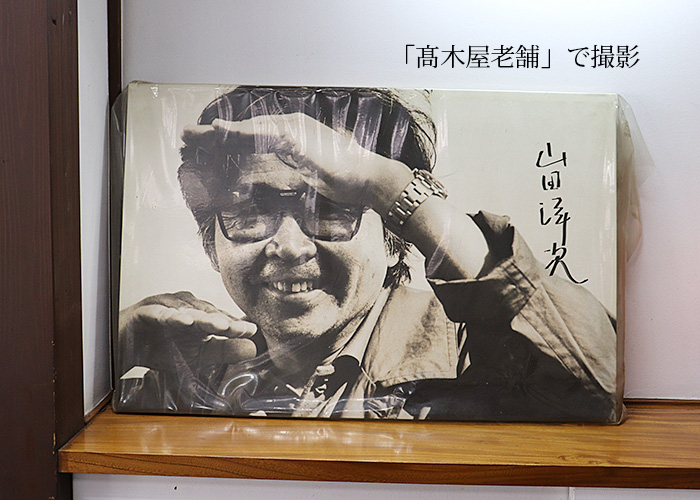
I also attended a talk show with director Yoji Yamada at the special venue.
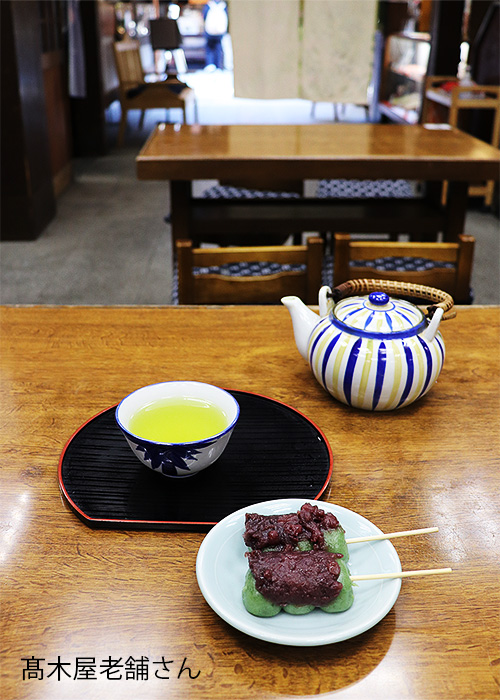
When you visit Shibamata, you definitely can't miss the grass dumplings!
Shibamata Station, Once Again
The Real Tokyo : detailed guidebook for Tokyo
I grew up in Tokyo, where the Toden Arakawa Line — also known as the "Chin Chin Tram" — ran nearby. I now live in Kamakura, which also has a streetcar, the Enoshima Electric Railway.
The sound of a streetcar running is a special sound to me, and it brings back a certain nostalgia in my heart.
I often rode the streetcar with my mother to Arakawa Amusement Park. The park is still there today and is located on the banks of the Sumida River. The Otonashi River (also known as the Shakujii River) is a tributary of the Sumida River. Both the elementary and junior high schools I attended were located on its banks.
There was also a small hill called Asukayama nearby. Whenever we went to view the cherry blossoms, we always went to Asukayama. This was back when there was still an observation deck that revolved. It was the highest in the area at the time, so I looked forward to climbing up there.
I later learned that Asukayama was a popular tourist destination for the common people of Edo. Indeed, at the foot of the mountain were the clear waters of the Otonashi River, home to sweetfish. Rows of restaurants and tea shops lined the river, creating a landscape befitting a tourist destination. Furthermore, there was an Inari shrine and a famous waterfall, which made it even more appealing.
There were apparently seven of these famous waterfalls at the time. Today, only one remains: Nanushi Falls. I often splashed around in the water here during the summers of my childhood. However, I remember that the waterfall was rather small back then, far from the image of a famous waterfall.
The Inari Shrine is today's Oji Inari Shrine, and I remember seeing many stone statues of foxes there. There was also a fox den in the cliff that I looked at in amazement.
Later, when I came across Utagawa Hiroshige's "One Hundred Famous Views of Edo," I was overjoyed to discover that it included Asukayama, Oji Inari Shrine, and the fox, as well as several paintings of Oji Falls. At the same time, it was an eye-opener to realize how beautiful Tokyo was during the Edo period.
"One Hundred Famous Views of Edo" contains many waterfront scenes, which is no surprise, as Edo was a "city of water."
It made me realize that heaven or paradise is not somewhere far away, but that it was once right under my feet.
At Lab Deep in Kamakura, we have produced a detailed guidebook to Tokyo, looking at present-day Tokyo while also admiring the Edo-Tokyo of the past. We have titled it "The Real Tokyo." Please check it out below.
Lab Deep in Kamakura Juei Masuda
The Real Tokyo : detailed guidebook for Tokyo Autho: Hisashi Toda
The following is an excerpt from the introduction to the book:
Tokyo, the capital and international city, was built on the solid foundation of the Edo period under the Tokugawa clan. Tokyo is more than just Shibuya, Shinjuku, and Roppongi.
This book will reveal Tokyo's true face.
We have included as many photos as possible so that you can also use it as a guidebook.
Table of Contents:
1 City of Water
2 Fish
3 Ieyasu Tokugawa
4 Imperial Palace
5 Gardens
6 Shibamata
7 Ueno
8 Asakusa
9 Nippori
10 Oji
11 Itabashi
12 Hachijojima Island
13 Musashino
If you are considering purchasing, please press the button below.